


For people who wear Invisalign on Halloween, this time of year can be a challenge. Sticky, crunchy treats, the invitation to snack frequently, and sugary candies and beverages can all interfere with orthodontic treatment – and increase the risk of tooth decay. These are dangers to the success of your Invisalign treatment and overall oral health. Find out how to enjoy Halloween without interfering with the progress of your orthodontics.
Braces
Invisalign Glow-Up: The Most Powerful Version of Modern Self-Care

The term “glow‑up” has evolved well beyond viral trends. Now, the improving of oneself represents a holistic transformation and not just a cosmetic one. A glow-up is about physical wellness, mental health, aesthetic confidence, and intentional self‑care. People are seeking ways to feel empowered and be just who they are – but with better teeth, through customized Invisalign glow-ups.
Invisalign for Coffee Lovers: Blend Your Lifestyle and Aligners

You don’t have to give up your coffee identity to succeed with Invisalign. You just need smart habits that keep your aligners clear, your teeth healthy, and your daily coffee ritual fully intact. If you run on coffee and you’re an Invisalign patient, it’s time to learn how to drink coffee safely with a few smart routines – and without aligners in place.
Braces Before Permanent Teeth? It Happens All the Time

It’s possible to look at some kids’ teeth and recognize that they will probably need orthodontics at some point in their youth. Some parents are surprised to learn their child needs intervention for early help from growth and bite problems because everything appears to look fine. Your orthodontist has the answers, especially to the big question: Can your child get braces before permanent teeth have erupted and all baby teeth have been lost? The answer is “yes” for the right candidates.
How Long Before Invisalign Results Are Visible?

When you pursue Invisalign treatment, one of the natural first questions is: “How long until I see Invisalign results?” There is a general Invisalign timeline, but everyone is different and moves at their own speed. Here is what to expect along the way so you can anticipate great results.
Celebrate Graduation with Woodinville Invisalign

Whatever the next phase of life might be after your loved one’s graduation – job, internship, more schooling, or traveling the world – it will be a million times better if it includes a straight, healthy smile. When you look the part with a beautiful, healthy smile, doors will open. Woodinville Invisalign is a journey that can work for any graduate as they move on in life and continue to seek out methods for self-improvement.
4 Life-Changing Orthodontic Treatments for Adults

Adults, especially parents, tend to defer to their kids’ needs. It’s important, though, to continue to prioritize your own well-being, and that includes your oral health. Your child’s orthodontist isn’t only available to help your kids get straight, healthy teeth – there are plenty of options to align your smile, stop pain, improve functionality, and eliminate embarrassment.
Sometimes, Braces Hurt: 5 Common Reasons Why

No one wants braces to be uncomfortable. Alas, temporary discomfort is the norm with braces and Invisalign – it’s a natural part of the alignment process. The reasons braces hurt sometimes are valid and, over time, tolerance and understanding grow to make the journey far less troublesome or painful. Pretty soon you’ll be saying, “Sometimes, braces just hurt, and my smile is worth it.”
Stretch Your Orthodontic Knowledge: Rubber Bands for Braces
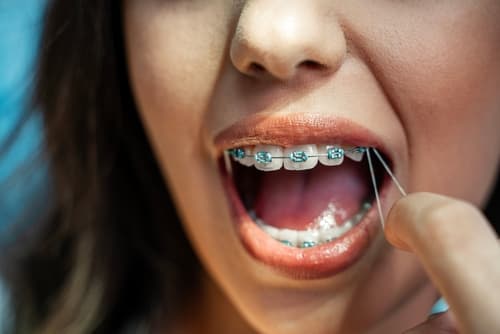
For many orthodontic patients, there is no escaping the wearing of rubber bands when you have conventional braces. Though these features are tiny they are mighty and do important work. Not every patient will have the same kinds of rubber bands in the same places, but some patients will find themselves managing this feature daily, so here are the essentials to know about rubber bands for braces.
5 Ways Early Orthodontics Can Change Your Child’s Life

It may look like everything is great with your child’s teeth, but there could be plenty happening that only an orthodontist can identify as problematic for the future. The recommended age for a child to visit the orthodontist for the first time is age 7 and no later than age 10. This is a time of rapid growth when early orthodontics – also known as Phase 1 orthodontics – can influence and guide jaw and facial development and create room for permanent teeth to erupt. Here are just some of the reasons early intervention is worth the time and investment.
