

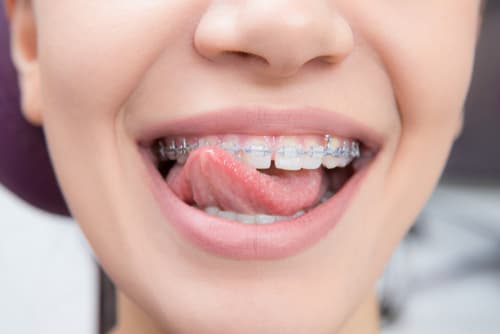
Braces are complex, intricate, and kind of magical. There is far more to the process, though, than this vague explanation. When you discover the parts of braces and their power to change your smile, it will make the orthodontic journey that much richer. Whether it takes one year or three years to put your teeth in order, the process is worth every detail.
Breaking Down the Parts of Braces
All orthodontic patients are unique. Where your teeth are now and where they need to move influences the kind of treatment your orthodontist recommends for aligning your smile. Though some patients qualify for Invisalign or Invisalign Teen, far more adolescents find themselves wearing metal braces for teens or clear braces. Hardware is applied to teeth, adjusted at regular intervals, and given plenty of time to shift, turn, and change the alignment of a smile until it’s just right.
Here are the vital components of the braces puzzle and how they work together:
- Brackets. Brackets are the most visible part of braces, and they are the mightiest. A small bracket is attached to a specific area on each tooth for optimum movement. Brackets serve as anchors for your entire orthodontic system, holding the archwire in place. They are made of stainless steel or tooth-colored ceramic.
- Archwire. Archwire directs the alignment process, doing the heavy lifting of guiding teeth into correct positions. This thin metal wire, made of stainless steel or nickel-titanium, runs through each bracket and applies pressure as needed to shift teeth. These materials are flexible and durable, changed throughout treatment, and used to fine-tune tooth positions.
- Bands. Bands are custom fit on molars to serve as anchors for braces. The stainless steel bands can hold brackets or tubes to support the archwire and keep the entire orthodontic system grounded on both upper and lower arches.
- Rubber bands. Patients who need rubber bands as part of their orthodontic treatment are working on precise motions. Rubber bands put pressure on teeth to shift in specific directions, and this involves moving the bite for optimum function and aesthetics. Rubber bands can connect upper and lower teeth to address misalignment or be used within the same arch to close gaps.
- Elastics. Sometimes “rubber bands” and “elastics” are terms used interchangeably, but for the purposes of explaining the parts of braces, we are referring to the colorful part of being an orthodontic patient. Those tiny elastic bands on every bracket are changed at each checkup and patients select the colors that fit their mood or style at that moment, all while letting those small connections hold hardware together to do its difficult work.
Building Your Braces Journey
Of course, all the parts of braces don’t mean anything without patient compliance. Taking care of your teeth and braces, seeing your orthodontist regularly, avoiding foods that could damage the hardware – all these elements together create an ideal circumstance for dental alignment.
Learn more about all the parts of braces and get started on your own journey at Soleil Orthodontics in Woodinville, WA. Contact us to schedule a consultation for yourself or your child.
