

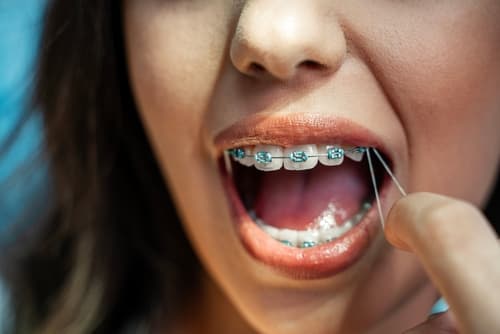
For many orthodontic patients, there is no escaping the wearing of rubber bands when you have conventional braces. Though these features are tiny they are mighty and do important work. Not every patient will have the same kinds of rubber bands in the same places, but some patients will find themselves managing this feature daily, so here are the essentials to know about rubber bands for braces.
The Purpose of Rubber Bands for Braces
When you hear the term “rubber bands” in conjunction with braces, it’s important to distinguish between this tool and the rubber bands that connect brackets and archwires together and stay in place until the next check-up with your orthodontist. Orthodontic rubber bands are designed to:
- Correct bite issues. This includes overbites, underbites, and crossbites. Interarch rubber bands go from side to side or bottom to top teeth and are changed throughout the day for maximum effectiveness. You will have a robust supply to get you through between check-ups.
- Align teeth through targeted pressure. Specific points on upper and lower braces are connected by rubber bands to guide jaw movement and tooth alignment.
- Work with braces to create movement. Braces for teens are powerful but sometimes they need a little extra support. In conjunction with rubber bands, the two forces support stability and tooth movement.
How to Manage Rubber Bands
Wearing rubber bands is like a homework assignment from your orthodontist, an assignment you must be aware of throughout each day to get the very best from your efforts. Will the bands be annoying? Sometimes. Will they make a major difference in your smile? Absolutely.
- Be consistent. It might feel like rubber bands are all over the place when you’re wearing these features on your braces, but making a real effort to be consistent can potentially shorten treatment time – this is a big deal for anyone who needs major bite correction.
- Wear as instructed. Every patient has their unique path to a straight smile, and rubber bands for braces may need to be worn full-time, part-time, or only at night. Whatever your orthodontist instructs, follow the rules about frequency, duration, and placement of the bands.
- Confirm placement. There is a lot going on with your brackets and wires and it’s possible to put rubber bands for braces on in the wrong place. Make sure you have them situated on the right hooks or brackets to keep progress moving and avoid discomfort.
Your Unique Braces Journey with Soleil Orthodontics
Your orthodontist knows where your rubber bands are going from the start of treatment, even if you don’t wear them immediately. There are small hooks attached to brackets to ensure that once teeth are where they’re supposed to be, rubber band wear will begin after several months of treatment.
Wearing rubber bands will be annoying at times, but fixing your oral health, even as an adult, saves you from TMJ problems, headaches, and damaged teeth by creating a better bite. We will educate you on how to place the rubber bands, remove them, clean your teeth, what to do when eating, and plenty of tips to get through this part of your treatment. Learn more from the orthodontic team at Soleil Orthodontics in Woodinville, WA. Contact us to schedule an appointment.
